













Sensitive records move through laptops, email, cloud storage and network transfers. We design data loss prevention around those flows, classify what matters and test policies in monitor mode before enforcing them across agreed channels.
DLP that maps sensitive data and controls where it can move

Service overview
Data loss prevention discovers sensitive content, classifies it by owner and sensitivity, and applies rules to its movement. Sparkr Digitals defines permitted flows across endpoint, email, cloud and network channels, with coverage checked against products, licences and operating systems.
We connect DLP & Encryption with Identity & RBAC: least-privilege access, access reviews and clear key custody. Policies address how people handle records, not only malware.
Under NDPA 2023 and GAID 2025, notify NDPC within 72 hours of awareness where a breach is likely to risk individuals' rights and freedoms. High-risk breaches also require communication to affected subjects. We help define evidence capture, risk assessment and escalation; not every incident triggers notification.
The problem
Your data has owners. Its movement needs rules.
Why data controls leave gaps
A policy document cannot see a customer export copied to USB or uploaded to personal storage. Broad blocking can disrupt legitimate work. We map sensitive flows, test coverage and assign exception owners before enforcement.
The traps
Trap 0101 / 05

Discovery before rules
Sensitive records without owners
Unclassified records produce inconsistent decisions. We identify sensitive content, agree owners and define handling rules for customer files, staff records and commercial documents.
Trap 0202 / 05
Check each path
Coverage assumed across channels
An endpoint agent is not proof of email, cloud or network coverage. We test copying, uploads and transfers against the selected product, OS, licence and encrypted-traffic limits.
Trap 0303 / 05
Monitor, then enforce
Blocking before policy tuning
Untested policies interrupt legitimate work and create noisy queues. We begin in monitor mode, review false positives with data owners and approve enforcement in stages, with documented exceptions.
Trap 0404 / 05

Keys need owners
Encryption without key custody
Encryption protects data at rest and in transit, but not every authorised action. We define key custody, rotation and recovery, alongside least-privilege roles and access reviews for people who can decrypt records.
Trap 0505 / 05

Escalation with evidence
Alerts without incident ownership
A DLP alert is a signal, not a completed investigation. We define triage, evidence handling, escalation and closure records so incident owners can assess risk and notification duties.
The process
How we deliver the programme
We agree scope, access and accountable owners before delivery. Each stage has review points and documented decisions, so security, compliance and operations can see what has been tested, what remains open and who owns the next action.
Step 01
Discover
Map sensitive records, owners and permitted flows across endpoints, email, cloud services and network transfers. Record agreed exclusions.
Step 02
Classify
Agree sensitivity labels and handling rules with business owners, including exceptions for approved transfers and shared records.
Step 03
Configure
Configure selected DLP controls, Identity & RBAC and encryption. Confirm key custody and test channel coverage against licence limits.
Step 04
Monitor & tune
Run policies in monitor mode. Review alerts and false positives with owners before approving enforcement.
Step 05
Enforce
Phase in enforcement, document exceptions and test incident escalation, evidence retention and operational handover.
What you get
Defined controls, documented decisions, clear owners.
Data discovery map
Sensitive content, owners and permitted flows across the agreed systems and channels.
Classification rules
Sensitivity labels, handling policies and approved exceptions with named owners.
Channel coverage review
Endpoint, email, cloud and network tests, with product and licence limits recorded.
Identity & RBAC review
Least-privilege roles, access reviews and joiner, mover and leaver controls.
Encryption & key plan
Encryption at rest and in transit, with key custody, rotation and recovery responsibilities.
Incident runbook
Triage, evidence, escalation and risk assessment steps for operational and DPO review.
What does a DLP programme cover?
Discovery, classification and movement controls across agreed endpoint, email, cloud and network channels. We define data owners, permitted flows, monitoring, exceptions and enforcement, then test coverage rather than assuming every channel is inspected.
Which Sophos controls can you deploy?
Sophos supports endpoint DLP rules and peripheral controls, Sophos Email content/DLP policies and encryption, plus device encryption. These capabilities are not universal cross-SaaS DLP. We confirm the selected licences and supported operating systems before deployment.
Where does FortiDLP fit?
FortiDLP provides data-flow visibility, SaaS/GenAI risk discovery, origin-aware protection and controls against unauthorised data movement. We validate email and network enforcement separately; one agent should not be assumed to inspect every channel.
Will policies block legitimate work?
We start in monitor mode, review alerts with data owners and tune policies before staged enforcement. Approved exceptions have an owner, a reason and a review point.
Does encryption replace DLP?
No. Encryption protects data at rest and in transit, but an authorised user can still leak decrypted records. Key custody, access reviews and DLP movement controls address different parts of that risk.
When does the 72-hour clock apply?
Under NDPA 2023 and GAID 2025, notify NDPC within 72 hours of awareness where a breach is likely to risk individuals' rights and freedoms. High-risk breaches also require communication to affected subjects.
How long does deployment take?
Timing depends on data discovery, channel coverage and policy testing. We agree a phased schedule after scoping.
How is the programme priced?
Scope, endpoint counts, channels, licences and integration work determine cost. We separate product costs from delivery and support in the proposal.

The 72-hour clock: what NDPA and the GAID demand of your systems
6 min read
How breach assessment, incident records and escalation support risk-based notification under the NDPA 2023 and GAID 2025.
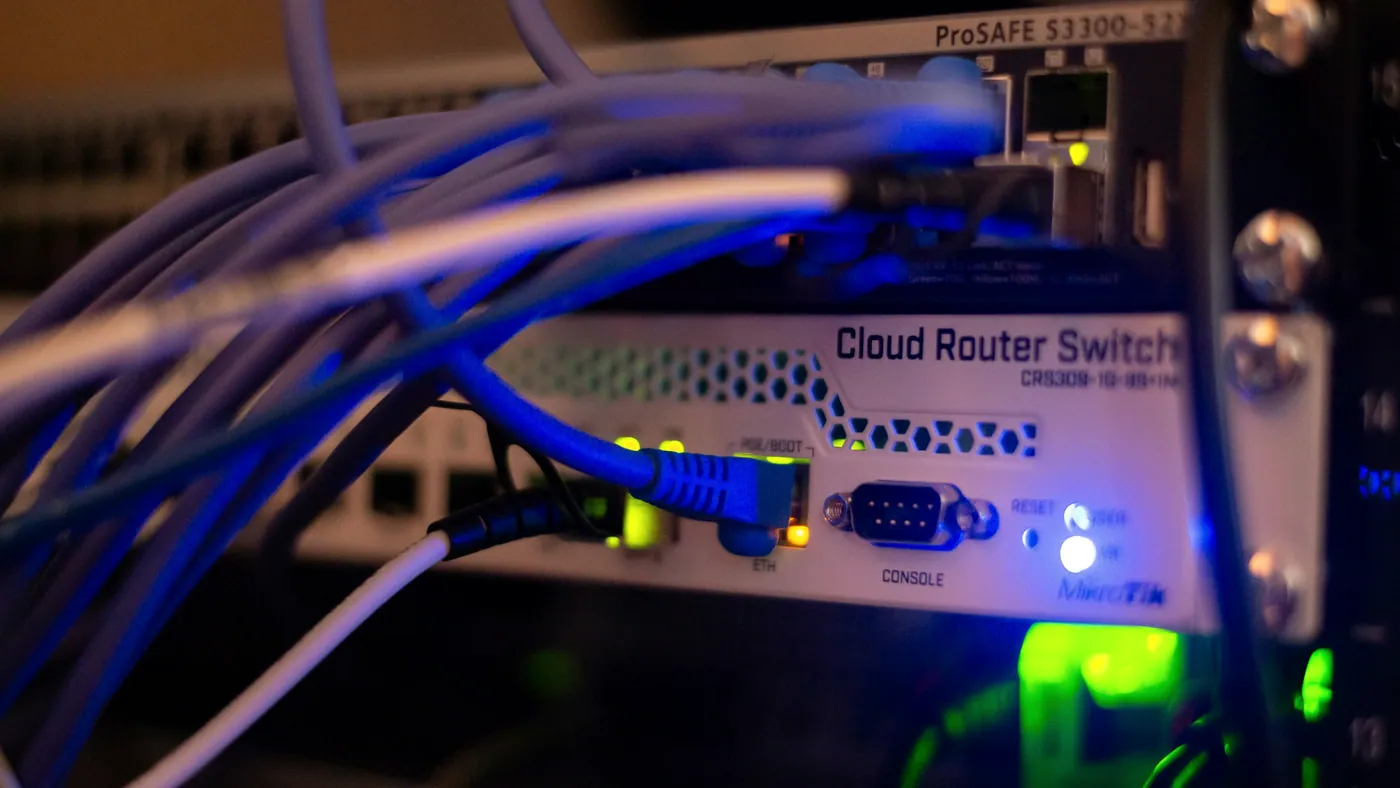
Sophos or Fortinet? Choosing the security stack for a Nigerian enterprise
6 min read
Compare endpoint, firewall and management requirements before choosing products, licences and operational responsibilities.

What a regulator-ready VAPT report contains
6 min read
Scope, evidence, severity and remediation owners: the records that turn a technical assessment into an accountable action plan.

What the CBN's baseline standards for automated AML mean for your stack
6 min read
The final March 2026 standards: implementation windows, integration requirements and auditable workflows for compliance teams.

Designing internal tools people actually use
6 min read
Lessons from Relix, Victora and Interoly: clear queues, permissions and task flows that help teams complete their daily work.
Other services