














Orders, stock and delivery records must agree. Make exceptions visible before they reach the customer.
Commerce platforms that connect orders, stock and fulfilment

Why it matters
Merchants and operators need dependable stock, payment, dispatch and delivery records. Finance teams and partners must be able to trace refunds, fulfilment exceptions and access changes across systems.
The problem
A storefront cannot fix conflicting operational records.
Where order and delivery records fall apart
Merchants and operators need dependable stock, payment, dispatch and delivery records. Finance teams and partners must be able to trace refunds, fulfilment exceptions and access changes across systems.
The traps
Trap 0101 / 04

Orders outrun records
Stock that disagrees
The storefront sells stock the warehouse cannot find. Define a reliable stock source and adjustment trail.
Trap 0202 / 04
Paid or still pending
Payment uncertainty
Orders reach fulfilment before payment is resolved. Reconcile confirmations, reversals and refunds.
Trap 0303 / 04
Handoffs without proof
Lost delivery context
Dispatch and delivery partners report conflicting status. Keep exceptions and handoff evidence visible.
Trap 0404 / 04
Margins without a trail
Uncontrolled changes
Price, refund and stock edits lack approval history. Apply access boundaries and reviewable change logs.
Commerce & Logistics, in figures
UNCTAD's sales figure covers measured economies internationally, not Nigeria alone. The ITA logistics figures are a narrative estimate and forecast; its table differs. Treat them as directional context, not investment-model inputs.
International e-commerce sales
≈US$28tn
2024 business e-commerce sales across UNCTAD's measured economies; not Nigeria or retail-only sales.
Nigerian logistics market
US$2bn
ITA narrative estimate of Nigeria's logistics and supply-chain market, 2024; table differs.
Logistics market forecast
US$3bn
ITA narrative forecast for Nigeria's logistics and supply-chain market in 2029, not realised revenue.
Breach notification
72h
Notify NDPC within 72 hours of awareness where a breach risks individuals' rights or freedoms; NDPA 2023 / GAID 2025.
Sources: UNCTAD: measured-economy e-commerce sales, 2024; US ITA: Nigeria logistics estimate, 2024; US ITA: Nigeria logistics forecast, 2029; NDPC, NDPA 2023 / GAID 2025 (72-hour risk-based notification).

03
Public sources behind the figures on this page
- 01UNCTAD: measured-economy e-commerce sales, 2024
- 02US ITA: Nigeria logistics estimate, 2024
- 03NDPC: GAID 2025 and breach notification
Figures retain their source periods and scope. They describe sector conditions and legal duties, not Sparkr project outcomes.
How we work with your team
Start with the workflow, then test the controls
We map orders, stock movements and fulfilment exceptions. Together we agree owners, acceptance criteria and the evidence needed before delivery starts.
Step 01
Scope & Discovery
We map critical tasks, system boundaries and risk with your delivery and operational owners.
Step 02
Architecture & Controls
We define access rules, data flows and failure handling before implementation decisions are fixed.
Step 03
Workflow Design
We prototype critical tasks and review them with users before building the full workflow.
Step 04
Build & Test
We implement in reviewed increments, testing permissions, integrations and exception handling.
Step 05
Release & Operational Handover
We agree release checks, recovery procedures and support ownership, then hand over evidence.
Selected work
Related work and delivery capabilities



- Operational workflows
- Access reviews
- Reconciliation
- Audit evidence
- Recovery planning
Services
The services we bring to this sector.
 Custom software developmentOperational tools with clear ownership and audit trails.View service
 Product design & UXValidate critical tasks with the people doing the work.View service
 Software development as a serviceA managed engineering cadence for ongoing product work.View service
 Cloud & API engineeringConnect systems with tested failure and recovery paths.View service
How do you scope commerce & logistics work?
We start with the workflow, system boundaries and the evidence your team needs. The scope records users, integrations, data categories, access roles, operational risks and acceptance criteria. We then agree delivery phases and commercial terms. We do not publish a fixed price before reviewing complexity, dependencies, migration needs and the controls that must be tested.
Can you work with our existing systems?
We review available APIs, data ownership and integration constraints before proposing changes. The plan includes failure handling, reconciliation where relevant and a staged release. We agree what stays, what changes and who owns each dependency rather than assuming a full replacement is necessary.
How do you protect sensitive records?
We define role-based access, encryption needs, data handling rules and audit trails with your owners. Test environments should use appropriate masked or synthetic data. Retention, exports and privileged access need explicit decisions, not default permissions.
Can you help us evidence our obligations?
We help translate applicable requirements into controls, workflows and reviewable evidence. Your compliance and legal teams confirm applicability. Delivery may include access reviews, incident records and control tests; it does not constitute regulatory approval or a guarantee of compliance.
How do you agree delivery timescales?
Timescales follow scope, integration access, data quality and review availability. We agree milestones after discovery, with clear acceptance criteria and dependency owners. A staged release can prioritise essential workflows without hiding unfinished controls.
What related work can we review?
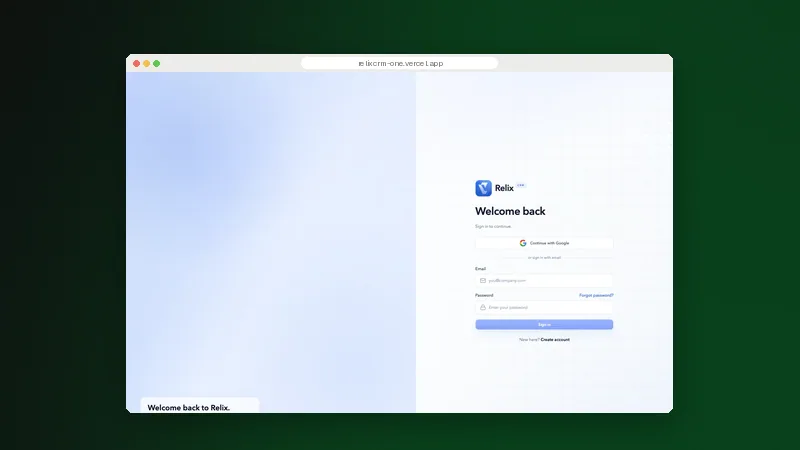
Interoly explores mobile inventory workflows; public onboarding is available, with further access requiring sign-in. Relix CRM covers sales operations. Klayen explores campaign journeys; figures in its demo are demo data, not results.

Software development as a service, or a fixed project? How to choose
5 min read
A continuing backlog and a fixed delivery scope need different commercial arrangements. Compare ownership, acceptance criteria and engineering cadence before deciding how to engage.

What the CBN's baseline standards for automated AML mean for your stack
7 min read
The final 10 March 2026 standards set different implementation windows for DMBs and OFIs. Review monitoring, case management, integrations and the evidence your roadmap needs.

Software development as a service, or a fixed project? How to choose
5 min read
A continuing backlog and a fixed delivery scope need different commercial arrangements. Compare ownership, acceptance criteria and engineering cadence before deciding how to engage.
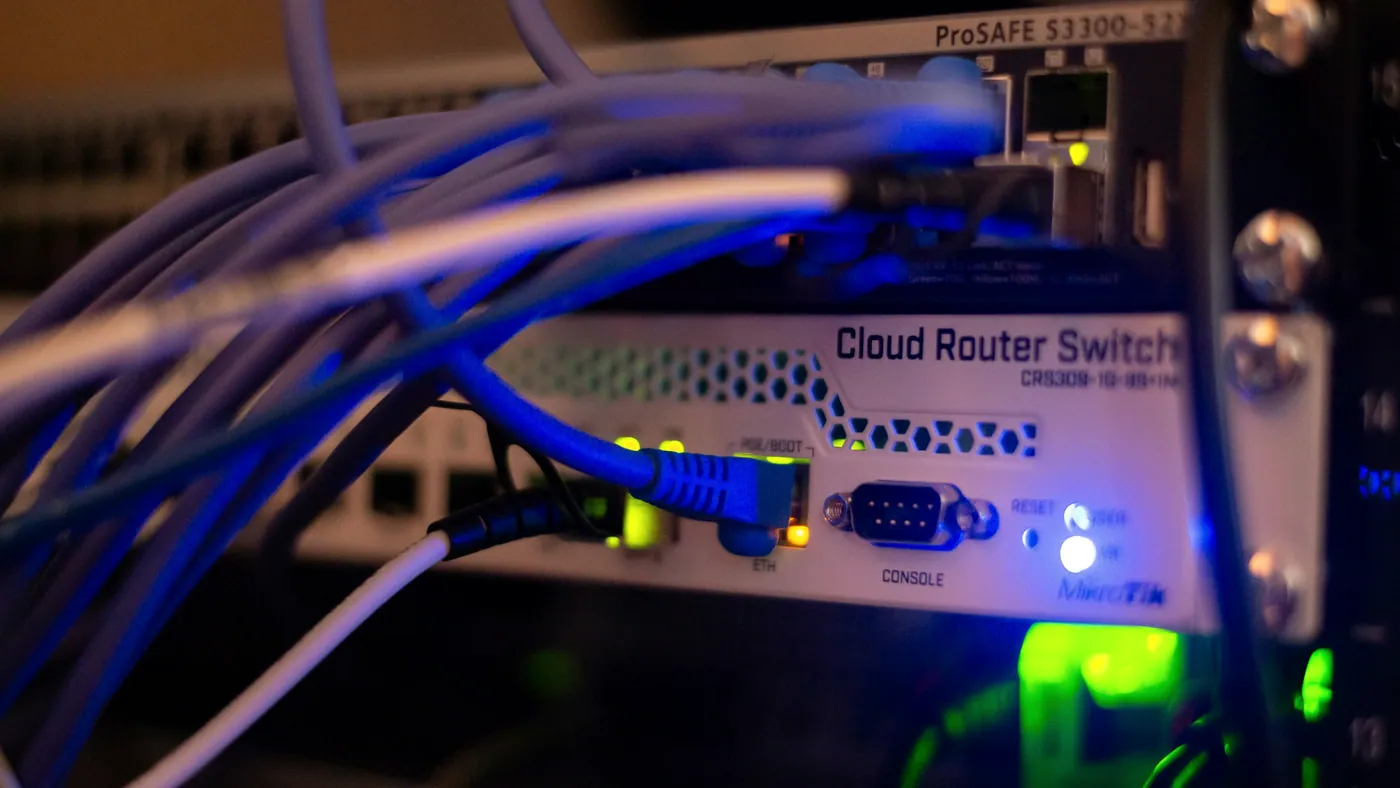
Sophos or Fortinet? Choosing the security stack for a Nigerian enterprise
7 min read
Compare deployment needs, management workflows and response ownership before choosing a security stack. Product scope and licensing matter as much as the appliance specification.

The 72-hour clock: what NDPA and the GAID demand of your systems
6 min read
Notification depends on risk to individuals, not simply an incident label. Prepare the access logs, incident ownership and assessment records needed to act within the statutory window.
Other industries
Back to all industries